Daily Food & Fluid Guide
Practical steps to help carers support healthy drinking and eating each day.
Guidance based on Continence Foundation of Australia recommendations
Daily Food & Fluid Guide for Carers
ACE Care gap – Continence Support
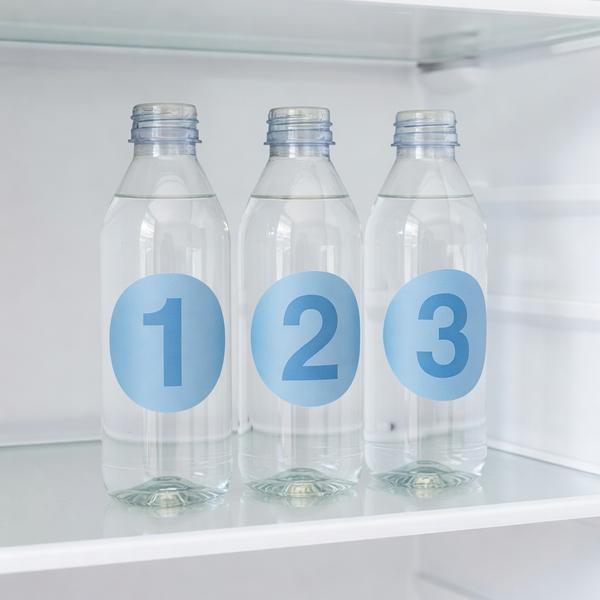
The 3-Bottle Daily Water Plan
Each morning, fill three 600ml bottles of water and label them 1, 2, and 3. Keep them cold, fresh, and ready to offer. Use this guide to know when to offer each one.
Morning
Offer Bottle 1 with breakfast and through the morning. Encourage small, regular sips.
Midday
Offer Bottle 2 at lunchtime and through the afternoon. Try adding lemon or cordial if plain water is refused.
Evening
Offer Bottle 3 in the late afternoon. Aim to finish by 7pm to help reduce nighttime toilet trips.
Fluid Tips for Carers
SIP
Encourage small, regular sips throughout the day. This is easier on the bladder than having a large drink at once.
FLAVOUR
If plain water is refused, try adding a slice of lemon, mint leaves or a small splash of no-sugar cordial to make it more appealing.
LIMIT
Reduce caffeine (tea, coffee, and cola) and alcohol. They can irritate the bladder and make leaks worse. Offer decaf options where possible.
TRACK
Check how much has been drunk from each bottle at the end of the day. If bottles are not emptied, note it and discuss with the care team.
Food Tips for Continence Health
CHOOSE
Choose foods with lots of water, such as soup, watermelon, oranges, grapes, and yoghurt. They count towards daily fluid intake.
INCLUDE
Include fibre-rich foods such as wholegrain bread, oats, vegetables, and legumes. They support regular bowel movements and can reduce constipation.
TIME
Offer meals and snacks at consistent times each day. A regular routine supports healthy bladder and bowel habits.
AVOID
Avoid too many spicy, acidic, or salty foods. They can irritate the bladder. Limit fizzy drinks too, as they can increase urgency.
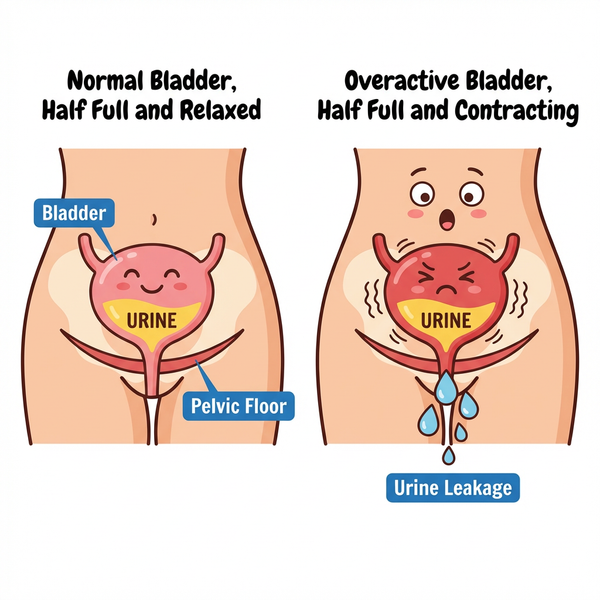
Keep drinking. Your bladder needs fluids.
Do not stop drinking because you are worried about leaks. Drinking too little makes urine more concentrated.
Concentrated urine can irritate the bladder. This may make you feel you need to go more often, even when there is not much urine.
Drinking too little can also increase the risk of urinary tract infections.
National Continence Helpline: 1800 33 00 66